Every few months I speak with a family who has just spent $18,000–$25,000 on architectural drawings. They've got a beautiful set of plans. They love the design. And they're coming to me — or another builder — to find out what it will cost to build.
The number I give them is usually somewhere between 30 and 50 percent above what they had in mind. And at that point, the conversation becomes very difficult. Because now they have a choice: redesign the plans from scratch (spending more money, losing more time), compromise on the design they've spent months refining, or find a way to increase their budget significantly. None of these are good options. And none of them had to happen.
"The home gets built twice — first in the conversation, then in the ground. The first build costs nothing. The second costs everything you have."
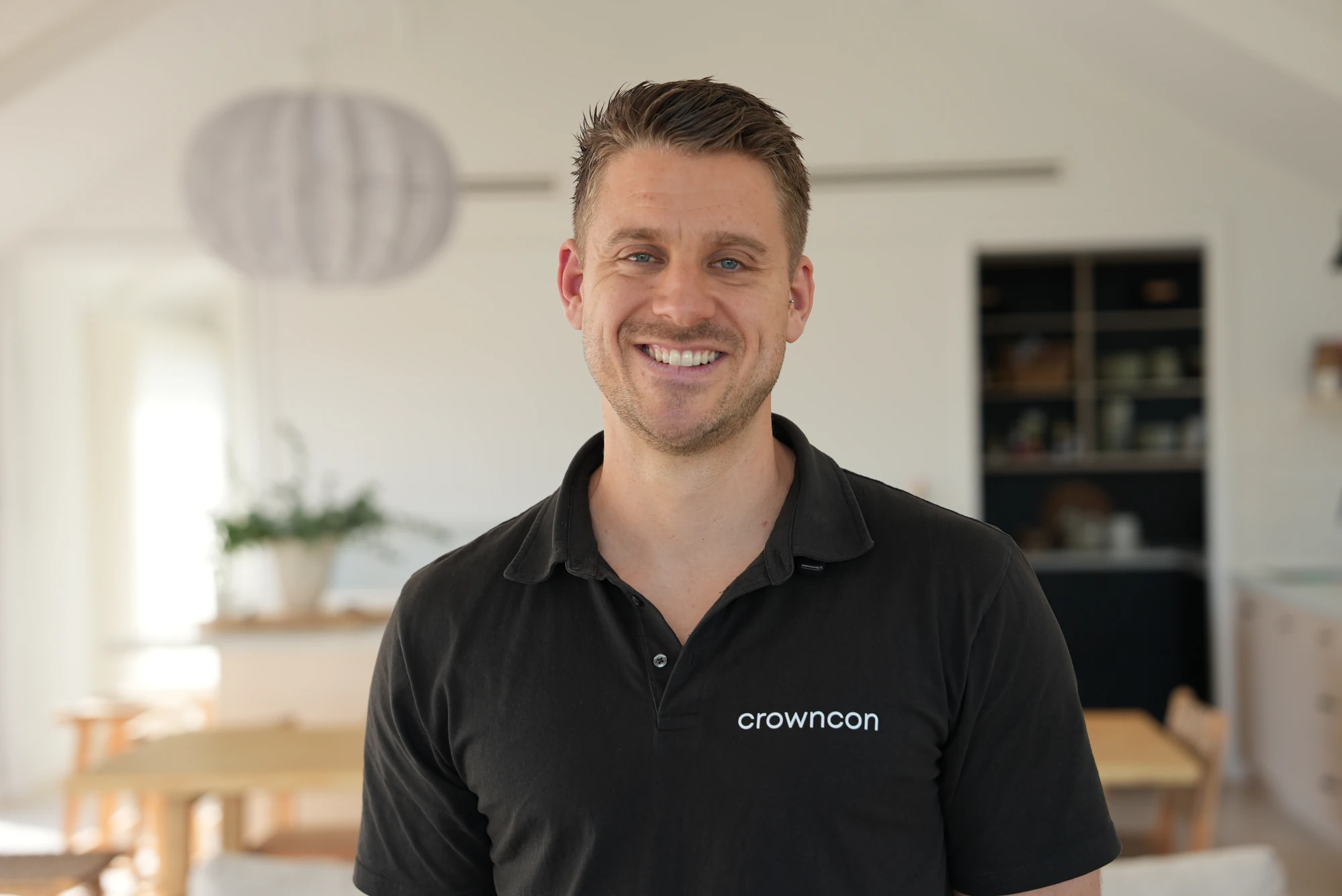
— Tim Swindon, Director, Crowncon HomesWhy it keeps happening
The standard process for building a custom home goes something like this: find a block, engage an architect or designer, develop plans, then approach builders to price the work. This sequence feels logical. You need to know what you're building before you can price it, right?
The problem is that architects and designers are trained in design, not construction economics. They can create beautiful, inspiring plans. What they can't do — at least not reliably — is tell you what those plans will cost to build in the current market, on your specific site, with the finishes you have in mind.
That gap between design intent and construction reality is where families lose money. Thousands of dollars in redesign fees. Months of wasted time. And the emotional toll of having to walk back decisions you thought were final.
What happens when the builder is there from the start
When I'm involved in a project from the beginning — before plans are drawn, before a designer is even engaged — the whole process changes.
The first conversation isn't about what you want to build. It's about what's achievable on your specific block, at your specific budget, with the finishes and features you care about most. That's a very different starting point.
From there, we can bring a designer or architect in with a proper brief — one that includes a realistic cost envelope for every major element. The plans that come back are already anchored to reality. There are no surprises when they're priced, because the pricing informed the design from day one.
The Crowncon Homes approach: Tim engages before your plans are drawn. The design process begins with a budget conversation — so the plans that go to council are the plans you can afford to build.
The practical benefits — beyond just the money
Site constraints are identified early. Every block in SE Bayside Melbourne is different. Soil conditions, slope, council overlays, drainage requirements, setbacks — these all affect what can be built and what it costs. A builder who knows your site before the design is finalised can flag these early, rather than discovering them at permit stage.
The design process is faster. When the designer knows from the outset what the build cost envelope is, they don't design into territory that has to be walked back. Fewer revision cycles. Less time in design. A faster path to permits and construction.
Your decisions are more confident. One of the most disorienting parts of building a home is not knowing whether the choices you're making are financially sound. When your builder is involved from the start, every significant decision — adding a room, upgrading a finish, reconfiguring a layout — can be costed in real time. You know what you're committing to before you commit.
The relationship starts properly. Building a home takes 12–18 months. The family you're working with for that entire period is the family you first meet. Starting that relationship early — before any money is on the table — means you have time to develop trust, ask hard questions, and make sure you're genuinely aligned before signing a contract.
A note on "free" design quotes
Some builders offer free design quotes as a way of winning work. The implication is that they'll design your home for nothing, which sounds attractive. The reality is that these designs are rarely calibrated to your budget — they're often designed to impress, with the cost discussion deferred until you've already committed emotionally to the outcome.
At Crowncon Homes, the first conversation is a real conversation. We'll talk about your block, your vision, your timeline, and your budget — and we'll be honest about what's possible within it. If we're not the right fit, we'll tell you. That honesty is what I'd want from any builder I was trusting with my home.
When should you first call a builder?
The answer is: earlier than you think. Before you engage a designer. Before you commission any drawings. Before you've spent any money at all on the design process.
A single free conversation with Tim at this stage costs you nothing and could save you tens of thousands of dollars — and months of your time. It's the most useful call you can make.