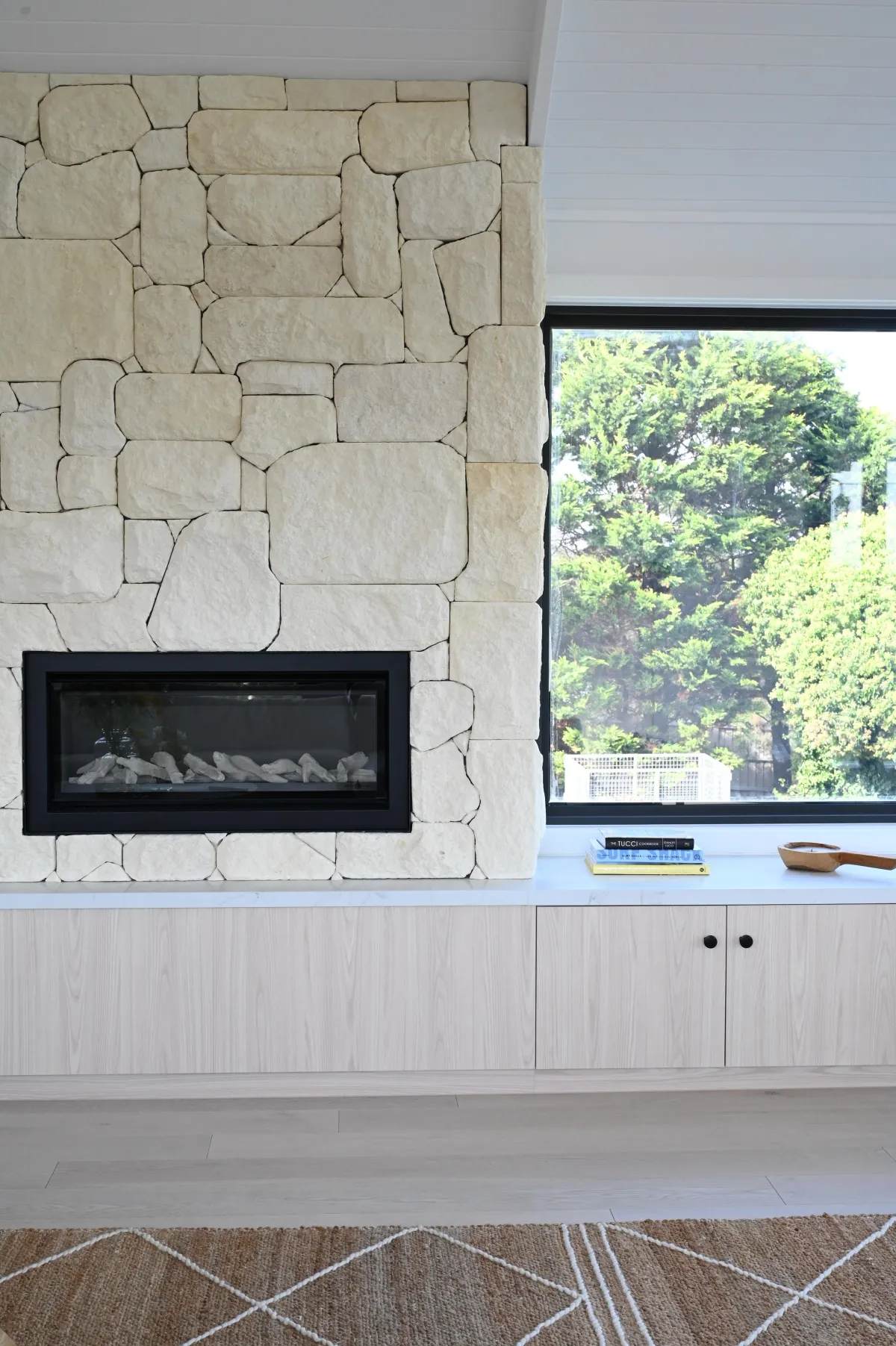
Stone, tapware, tiles, joinery hardware — it's tempting to shop overseas when the sticker price is a fraction of what a local supplier is quoting. Sometimes that's a genuine saving. Often, by the time the product is actually sitting in your house, it isn't. The sticker price and the landed cost are rarely the same number.
The short version. Freight, duty, GST, compliance testing, and the risk of a damaged or non-compliant shipment all sit outside the quoted price. Stack the real landed cost against a local or already-compliant supply chain before you decide — and if you do go overseas, go in with a long lead time and a buffer in the build program.
Landed cost, not sticker price
The number on an overseas supplier's website is the start of the bill, not the end of it. On top of it: international freight (sea freight for anything heavy, like stone or tiles, is priced by the container and the shipment share), marine insurance for transit, customs clearance and brokerage fees, import duty where it applies, and GST on the full imported value. Add those up before you compare it to a local quote — not after the product has already shipped.
Does it meet Australian standards?
Plenty of building products need to meet AS/NZS standards to be legally installed, signed off, or covered by the home's insurance — waterproofing membranes, glazing, electrical fittings, and some structural hardware among them. An overseas product that's perfectly good in its home market isn't automatically compliant here. Ask for the certification before you order, not after it's on site and your building surveyor is asking questions.
Who's responsible if it arrives wrong?
A local supplier who sends a cracked slab or the wrong tile batch fixes it in days. An overseas claim means freight photos, a dispute process in another time zone, and a reorder with another full shipping lead time behind it — which, on a build program, isn't a delay measured in days. It's measured in weeks, sometimes months, and every other trade booked around that item moves with it.
Warranty that doesn't survive the trip
Manufacturer warranties are frequently tied to the market they're sold in. A fault that would be a straightforward replacement locally can turn into a warranty claim with no local presence to answer it — which usually means the builder, or you, absorbing the cost of making it right.
Where it can genuinely work
None of this means overseas sourcing is off the table. For a showpiece item, with enough lead time, a reputable and experienced importer, and certification checked up front, it can be a real saving. The difference between that and a costly delay is almost always how early it's planned for, and how honestly the landed cost is worked out before anyone commits.
The real comparison
Before you commit to an overseas item, stack the full landed cost — product, freight, duty, GST, compliance testing, and a reasonable risk buffer — against a local or already-compliant imported supply chain your builder already uses and trusts. It's the same principle as comparing a builder's headline price to the whole project cost: the number that matters is the one that includes everything, not the one on the front page.
General guidance current at November 2026. Duty, GST and compliance requirements change and depend on the specific product and country of origin — confirm current requirements with the Australian Border Force and your building surveyor before you commit to an overseas order.